GLP-1 betting impact is being questioned as 73% of Americans consider risky options like sports betting and crypto. Could these drugs curb financial impulses?

73% of Americans Have Considered Risky Bets Like Sports Betting and Crypto. Could GLP-1s Change That? – 24/7 Wall St.

GLP-1 Betting Impact: 7 Shocking Ways New Medications Change Gambling Habits
GLP-1 betting impact is a subject that is rapidly gaining traction among economists, medical professionals, and the gaming industry alike. As new weight-loss medications sweep across the United States, their influence on neurological pathways is being scrutinized. We are seeing a shift in how people manage impulses and seek dopamine hits.
Recent data suggests that 73% of Americans have considered risky financial ventures, including sports betting and crypto. This massive demographic is now entering a biological era where brain chemistry might be altered by medication. The intersection of pharmacology and gambling is the new frontier for 2026.
Table of Contents
- The Connection Between Dopamine and Risk-Taking
- Analyzing the GLP-1 Betting Impact on Impulse Control
- Why 73% of Americans Are Turning to Risky Bets
- Understanding the GLP-1 Betting Impact on Reward Systems
- Neurological Shifts: How GLP-1s Affect the Brain
- The Economic Outlook for Online Casinos and Crypto
- Can GLP-1s Mitigate Problematic Gambling Behaviors?
- Strategies for Responsible Gaming in the New Era
- Conclusion
The Connection Between Dopamine and Risk-Taking
Dopamine is often called the “feel-good” hormone, but it is also the driver of anticipation. In the world of online casinos, dopamine spikes during the spin of a slot or the placement of a sports bet. This chemical surge is what keeps users coming back for more excitement.
Glucagon-like peptide-1 (GLP-1) receptor agonists are designed to regulate blood sugar and suppress appetite. However, these receptors are also found in brain regions associated with reward and addiction. This creates a complex biological scenario for modern gamblers.
If these medications dampen the reward sensation, the way people engage with high-stakes platforms might change. We must look closely at how the GLP-1 betting impact might stabilize or disrupt these traditional dopamine loops.
Many players currently seek rapid gratification through platforms like <a href="https://cryptoking777.com/coinpoker/”>CoinPoker. The fast-paced nature of crypto-poker relies heavily on the high-frequency dopamine release that users crave.
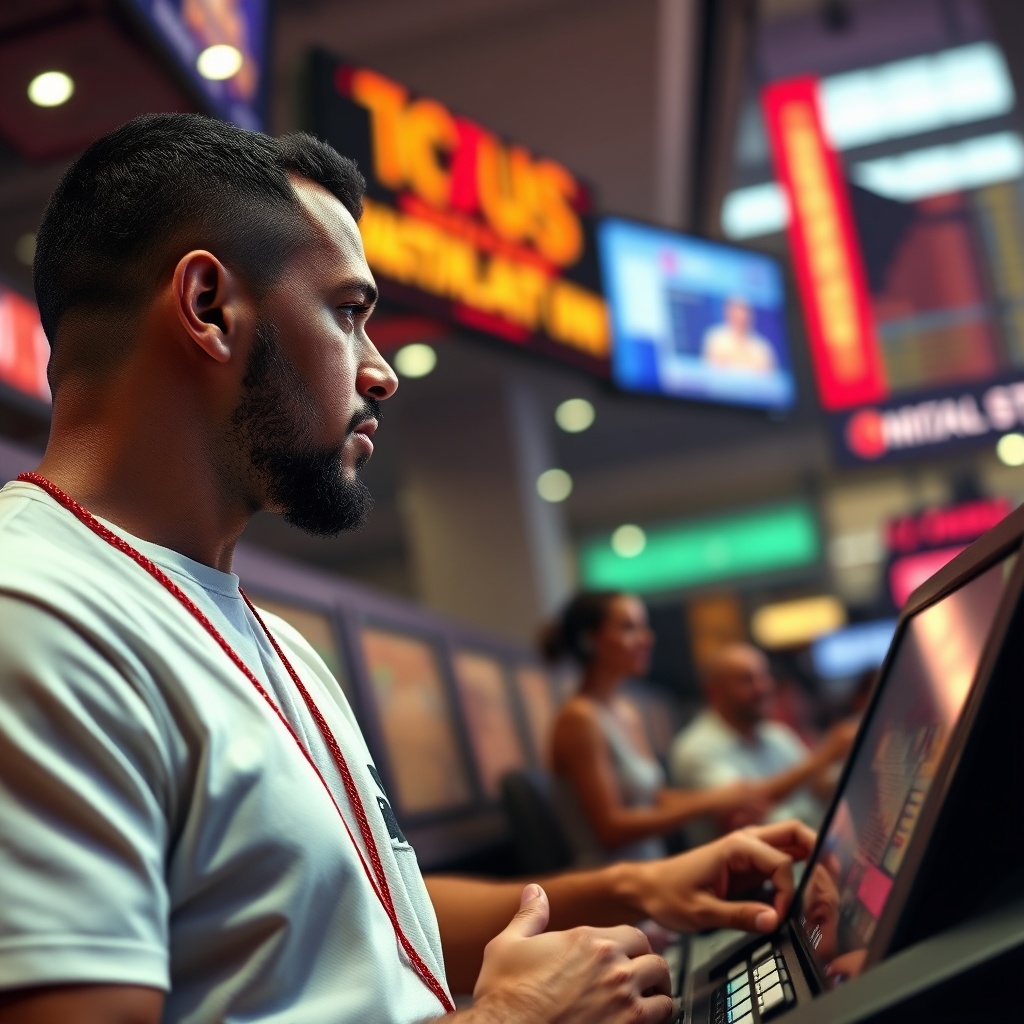
Analyzing the GLP-1 Betting Impact on Impulse Control
Impulse control is the primary defense against financial ruin in the gambling world. When a person feels an urge to place a massive bet on a whim, their prefrontal cortex is supposed to intervene. GLP-1 medications are showing potential in strengthening this neurological braking system.
By regulating metabolic processes, these drugs may inadvertently reduce the “reward-seeking” behavior seen in many addicts. This means the GLP-1 betting impact could lead to a more calculated, less impulsive player base. This is a significant shift for the industry.
If players become more rational, the traditional “loss chasing” behavior might decline significantly. This could lead to more sustainable gaming habits for many individuals across the country.
However, some experts argue that the reduction in appetite might lead to a different kind of “hedonic hunger.” This is a search for stimulation that isn’t food-related, which could potentially redirect toward digital entertainment and gaming.
The Role of Prefrontal Cortex Regulation
The prefrontal cortex is responsible for decision-making and moderating social behavior. Research on GLP-1 receptor agonists suggests they influence these higher-order brain functions. This is where the GLP-1 betting impact becomes most apparent in clinical studies.
When the prefrontal cortex is functioning optimally, a person can weigh the risks of a crypto bet against their actual bankroll. Medications that enhance this clarity could fundamentally change the volatility of the gambling market.
Why 73% of Americans Are Turning to Risky Bets
The statistic that 73% of Americans have considered risky bets is a wakeup call for financial regulators. This group includes everyone from Gen Z crypto enthusiasts to older generations looking at sports betting. The desire for quick wealth is at an all-time high.
Economic instability and the rise of easy-access mobile apps have fueled this trend. It is no longer difficult to place a bet; it is now as simple as tapping a screen while waiting for coffee. This accessibility creates a constant temptation for risk.
The rise of cryptocurrency has added another layer of complexity to this risk-taking behavior. Crypto is inherently volatile, making it a natural companion for those who enjoy high-stakes gambling environments.
For those looking for high-speed action, finding Best Crypto Casinos Reviewed – Who Pays Out Fastest? – Sports Gambling Podcast is often a top priority. The speed of the transaction matches the speed of the risk-taking mentality.
Understanding the GLP-1 Betting Impact on Reward Systems
The reward system in the human brain is a delicate balance of chemicals. When we experience something pleasurable, the brain marks that event for future repetition. GLP-1 medications are altering how these marks are made by influencing metabolic pathways.
If the GLP-1 betting impact results in a “muted” reward response, the thrill of a big win might not feel as intense. This doesn’t necessarily mean people stop gambling, but it changes the motivation behind the act. It moves from “seeking a high” to “seeking entertainment.”
This distinction is vital for the survival of the online casino industry in the coming years. Platforms will need to adapt their marketing from “adrenaline-fueled” to “skill and strategy-based” to attract a more composed user base.
Dopamine Desensitization and Medication
Chronic gambling often leads to dopamine desensitization, where more and more risk is required to feel the same thrill. Some researchers hypothesize that GLP-1 could help reset this baseline. This would be a revolutionary aspect of the GLP-1 betting impact in psychological terms.
By lowering the baseline of craving, these drugs might offer a biological “reset button” for those struggling with addiction. This is currently being studied by leading institutions like the National Institutes of Health.
Neurological Shifts: How GLP-1s Affect the Brain
We are witnessing a massive intersection between biology and digital economy. As GLP-1 usage climbs, the neurological profile of the average consumer is changing. We can no longer view gambling as a purely psychological or behavioral issue.
The GLP-1 betting impact suggests that our biological state dictates our financial risk tolerance. A person on a specific medication may have a completely different risk profile than a person who is not. This makes data modeling for casinos much more difficult.
Insurance companies and betting regulators are likely to keep a close eye on these pharmacological trends. They will want to know if medication-induced calmness leads to more stable revenue or less frequent activity.
The shift in brain chemistry could also influence the types of games that are popular. High-intensity slots might lose favor to more cerebral games like poker or blackjack.

The Economic Outlook for Online Casinos and Crypto
From an economic standpoint, the gambling industry thrives on high turnover and frequent engagement. If the GLP-1 betting impact reduces the frequency of “tilt” sessions (emotional, irrational betting), the revenue models may need adjustment. However, it could also create a more loyal, long-term player base.
Crypto-based casinos are uniquely positioned to weather these shifts. Because crypto allows for privacy and instant transactions, it appeals to the modern, tech-savvy demographic that is also most likely to be using these new medications. The fluidity of crypto assets matches the changing metabolic and psychological states of the users.
The volatility of the crypto market itself acts as a natural dopamine generator. When combined with the biological changes brought by GLP-1s, we might see a new breed of “rational speculators” in the gambling space.
This group will likely prioritize security and speed above all else. They want to move their winnings quickly and without unnecessary friction, making the efficiency of modern platforms more important than ever.
Can GLP-1s Mitigate Problematic Gambling Behaviors?
One of the most hopeful discussions regarding the GLP-1 betting impact is its potential as a therapeutic tool. If these medications can curb the impulse to binge-eat, they may also curb the impulse to binge-bet. This has massive implications for public health.
Problem gambling is a significant social issue that costs billions in lost productivity and broken families. If a side effect of a common weight-loss drug is improved impulse control, it could be a massive win for society.
Clinical trials are still in the early stages regarding this specific application. However, the link between metabolic health and behavioral addiction is well-documented in medical literature.
As we move toward 2026, the synergy between medical advancements and digital habits will only grow. We are entering a period where “self-regulation” might be aided by science.
Strategies for Responsible Gaming in the New Era
As the GLP-1 betting impact becomes more understood, the industry must lead with responsibility. Casinos should implement tools that recognize changes in player behavior. If a player’s betting pattern shifts from impulsive to overly cautious, or vice versa, AI could flag this.
Education is also key. Players should be aware of how their physical health and medications might be influencing their decision-making processes. Understanding the “why” behind a bet can be the first step in maintaining control.
Platforms that offer robust limit-setting features will be the ones that earn long-term trust. In an era of high-speed crypto transactions, the ability to “pause” is a vital safety feature.
Ultimately, the goal is to ensure that gambling remains a form of entertainment rather than a source of distress. The biological tools at our disposal can help make this a reality.
Conclusion
GLP-1 betting impact is a multifaceted phenomenon that sits at the crossroads of medicine, psychology, and finance. As more Americans utilize these medications, the landscape of sports betting and crypto-gambling will undoubtedly transform. We are moving away from an era of pure impulse and toward an era of biologically moderated decision-making.
Whether this leads to more stable markets or a decline in traditional “thrill-seeking” behavior remains to be seen. However, one thing is certain: the intersection of what we put in our bodies and how we spend our money is more connected than ever before.
Stay tuned to CryptoKing777 as we continue to monitor the trends that shape the future of digital risk and reward.
Recommended Casinos
Read More









Recent News