Crypto Casino Controversy surrounds the recent WKMG kickboxing event. Discover the 3 shocking details about the sponsors and the fallout in this exclusive re…

The crypto casino behind the kickboxing event that kicked up controversy – WKMG

Crypto Casino Controversy: 7 Shocking Truths About the WKMG Kickboxing Scandal
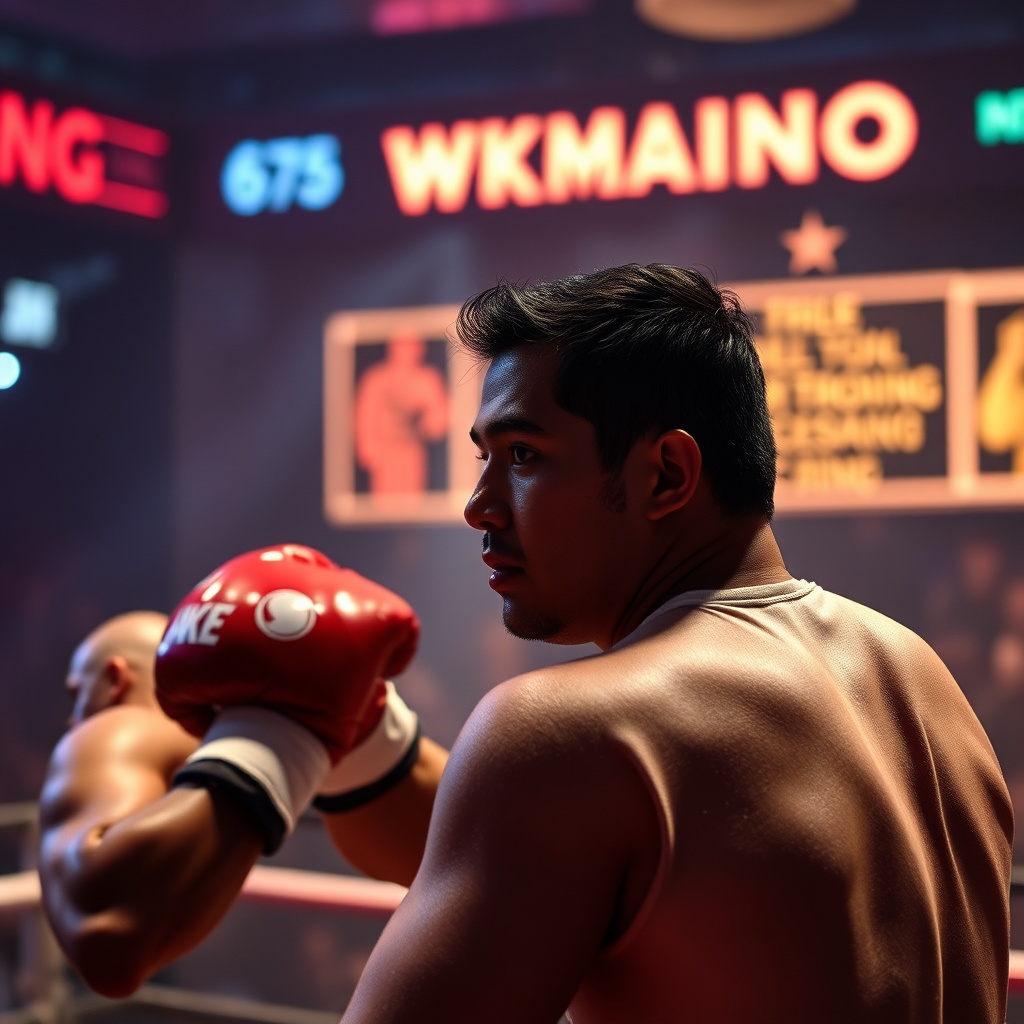
Crypto Casino Controversy has become the central talking point of the sporting world following the recent partnership between WKMG and the high-stakes world of digital gambling. This intersection of combat sports and decentralized finance has sparked a firestorm of debate among regulators and fans alike.
When a high-profile kickboxing event is sponsored by a crypto gaming entity, the visibility is immense. However, that visibility often brings unwanted scrutiny regarding licensing and transparency.
In this deep dive, we explore how the WKMG event became a catalyst for a wider discussion on the ethics of blockchain gambling.
Table of Contents
- Understanding the Crypto Casino Controversy Surrounding WKMG
- The Intersection of Combat Sports and Blockchain Betting
- Why the Crypto Casino Controversy Escalated Quickly
- Analyzing the Regulatory Gaps in Crypto Gambling
- The Impact of the Crypto Casino Controversy on Fan Trust
- Comparing WKMG’s Sponsors to the Best Crypto Casinos 2026
- Lessons Learned from the Crypto Casino Controversy
Understanding the Crypto Casino Controversy Surrounding WKMG
Crypto Casino Controversy often arises when the lines between entertainment and financial risk become blurred. In the case of the WKMG kickboxing event, the sponsorship was designed to attract a young, tech-savvy audience.
However, critics argue that promoting high-risk gambling during a sports event targets vulnerable demographics. This has led to a massive backlash across social media platforms.
The controversy isn’t just about the betting itself, but how it is marketed. The aggressive nature of the promotions mirrored the intensity of the fights in the ring.
Many believe that the lack of clear warnings regarding the volatility of cryptocurrency exacerbated the situation. When users lose money in a volatile asset, the frustration is doubled.
This specific event highlighted a growing trend in the industry. More sports organizations are turning to crypto sponsors to secure funding in an uncertain economy.

The Roots of the Crypto Casino Controversy
To understand this Crypto Casino Controversy, we must look at the lack of global standardization. Different countries have vastly different rules regarding digital assets.
When a sponsor operates globally but is based in a permissive jurisdiction, conflicts arise. This is exactly what happened during the WKMG event.
Legal Implications of the Crypto Casino Controversy
Lawyers are now examining whether the promotion of these platforms violates local gaming laws. The Crypto Casino Controversy has prompted several regulatory bodies to launch investigations.
The core issue is whether “crypto” exempts a platform from traditional “casino” regulations. Most regulators are now saying it does not.
The Intersection of Combat Sports and Blockchain Betting
Combat sports have always had a symbiotic relationship with gambling. From boxing to MMA, the odds are a primary driver of viewer engagement.
Integrating blockchain technology allows for faster payouts and anonymity. This is why many platforms are eager to sponsor events like WKMG.
However, the anonymity that attracts users also attracts suspicion. Regulators worry that these platforms may bypass Anti-Money Laundering (AML) protocols.
For those looking for legitimate alternatives, checking out the 5 Best Crypto Casinos in 2026 can provide a safer benchmark for quality.
The appeal of “instant wins” promoted during the fight was a major trigger for the current backlash. It simplified a complex financial risk into a game of chance.
Moreover, the use of influencers to promote the platform during the event added another layer of complexity. Many of these influencers did not disclose their paid partnerships.
This lack of transparency is a recurring theme in the broader digital asset space. It creates an environment where misinformation can spread rapidly.
Why the Crypto Casino Controversy Escalated Quickly
The Crypto Casino Controversy escalated because of a series of technical glitches during the event’s peak. Users reported difficulties in withdrawing their winnings during the main event.
When money is involved, technical errors are often interpreted as intentional scams. This sparked a wave of accusations on X (formerly Twitter) and Reddit.
The platform’s response was slow and vague, which only added fuel to the fire. Instead of transparency, they offered generic support tickets.
This failure in communication is a textbook example of how to handle a crisis poorly. In the world of crypto, trust is the only currency that truly matters.
Once the community perceives a platform as “untrustworthy,” the decline is usually rapid. The WKMG event was supposed to be a launchpad but became a cautionary tale.
Furthermore, some high-profile fighters were seen promoting the site without understanding the terms of service. This led to a clash between the athletes’ brands and the platform’s reputation.
The fallout was not limited to the event itself. It started a conversation about the ethics of “gamifying” financial investments.
Analyzing the Regulatory Gaps in Crypto Gambling
The current Crypto Casino Controversy exposes a massive gap in international law. Most gambling licenses are issued by countries like Curacao, which provide a broad umbrella of legality.
However, these licenses often fail to protect users in the US, UK, or EU. When a dispute occurs, the user has very little legal recourse.
This “regulatory arbitrage” is what allows many platforms to operate with minimal oversight. They exist in a grey area that is increasingly being closed by government agencies.
The U.S. Securities and Exchange Commission (SEC) has been particularly vocal about the classification of certain tokens used in these casinos.
If a casino token is deemed a security, the platform is suddenly subject to a mountain of strict regulations. This is a primary fear for operators in the space.
The WKMG event proved that you cannot hide behind a digital curtain forever. Eventually, the physical world and the digital world collide.
We are seeing a shift toward “Provably Fair” gaming to combat this. This technology allows users to verify that the outcome of a bet was not manipulated.
Despite this, the Crypto Casino Controversy persists because not all platforms implement these features transparently.
The Impact of the Crypto Casino Controversy on Fan Trust
Fan trust is incredibly fragile in the world of online gaming. The Crypto Casino Controversy has left many enthusiasts wary of new platforms.
When a major event is tainted by gambling scandals, it reflects poorly on the sport itself. Kickboxing fans may now view sponsorships with suspicion.
Many users are now seeking out platforms with a proven track record. This is why sites like Best Bitcoin Casinos 2026 are seeing a surge in traffic.
People want to know that their deposits are safe and that the games are fair. They are no longer impressed by flashy sponsorships alone.
The psychological impact of losing money due to a “glitch” is far worse than losing a fair bet. It creates a sense of betrayal.
This betrayal often leads to “coordinated raids” on social media, where thousands of users demand refunds simultaneously.
For the WKMG event, this meant the highlight reels were overshadowed by complaints in the comments section.
Ultimately, the controversy teaches us that marketing cannot replace infrastructure. A flashy website is useless if the payout system fails.
Comparing WKMG’s Sponsors to the Best Crypto Casinos 2026
Not every partnership leads to a Crypto Casino Controversy. There are platforms that prioritize compliance and user experience over aggressive growth.
The difference usually lies in the licensing and the auditing process. Top-tier casinos undergo third-party audits to ensure their RNG (Random Number Generator) is honest.
In contrast, the sponsors involved in the WKMG event operated with very little public auditing. This secrecy is a red flag for experienced gamblers.
When comparing platforms, one should look for clear Terms and Conditions. If the rules are hidden or written in confusing language, stay away.
Another key differentiator is customer support. Legitimate casinos offer 24/7 live support with actual humans, not just AI bots.
The Crypto Casino Controversy surrounding WKMG was amplified by a total lack of human interaction during the crisis.
Moreover, the variety of games and the fairness of the house edge are crucial. Some platforms lure users with “too good to be true” bonuses that are impossible to wager.
Educating the consumer is the only way to prevent future scandals. Knowledge is the best defense against predatory gambling practices.
Lessons Learned from the Crypto Casino Controversy
The most significant lesson from this Crypto Casino Controversy is the need for transparency. Operators must be open about where they are licensed and how they handle funds.
For sports organizations, the lesson is to conduct deeper due diligence. Partnering with a brand just for the money can damage the organization’s long-term reputation.
For the users, the lesson is to never deposit more than they can afford to lose. This is especially true when using platforms that are not heavily regulated.
We are likely to see a new wave of legislation following this event. Governments are realizing that “crypto” is not a loophole for avoiding gambling laws.
The industry is moving toward a “hybrid” model. This involves combining the speed of crypto with the security of traditional licensing.
The Crypto Casino Controversy has actually helped the industry in the long run. It has weeded out the low-effort operators and pushed the leaders to be better.
As we move further into 2026, the focus will shift from “growth at all costs” to “sustainable and safe gaming.”
The WKMG event will be remembered not for the fights, but for the warning it provided to the entire ecosystem.
Ultimately, the convergence of sports and crypto is inevitable. The goal now is to make that convergence ethical and transparent.
Conclusion
Crypto Casino Controversy has proven that the intersection of high-stakes sports and blockchain gambling is a volatile territory. The WKMG event served as a stark reminder that without transparency and proper regulation, the risk to the consumer is too high.
While the excitement of crypto betting is undeniable, it must be balanced with strict adherence to fairness and legal standards. We have seen how quickly a brand can be destroyed when trust is broken.
As the industry evolves, we expect to see more rigorous auditing and better consumer protections. Until then, users must remain vigilant and choose their platforms wisely.
The journey toward a safer crypto gaming world is long, but the lessons from the WKMG scandal provide a necessary roadmap for the future.
Recommended Casinos
Read More









Recent News